H₂ Injection Test Summary Report
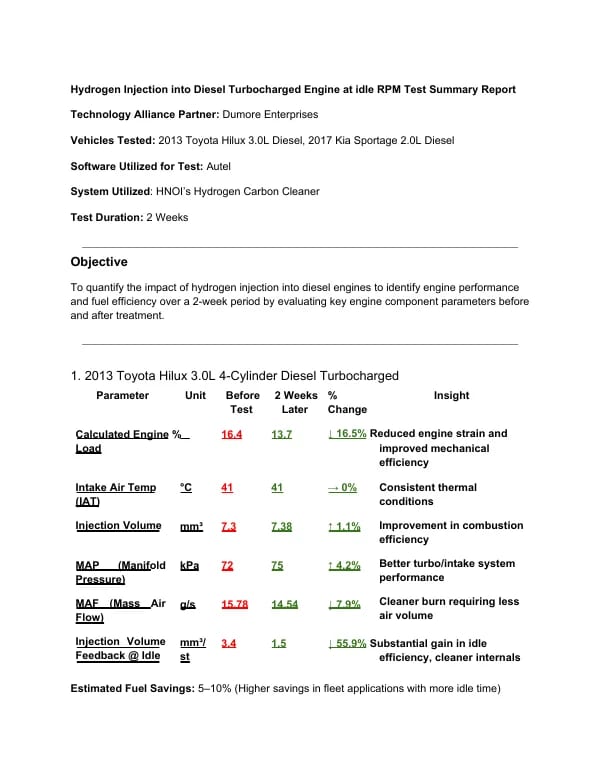
The complete two-page report from Dumore Enterprises — objective, method, both test vehicles and every measured parameter.
Download PDF PDF · 2 pages · opens in a new tabThe Hydrogen Carbon Cleaner is a system designed to enhance diesel, gasoline, and natural gas engine performance by removing carbon deposits.
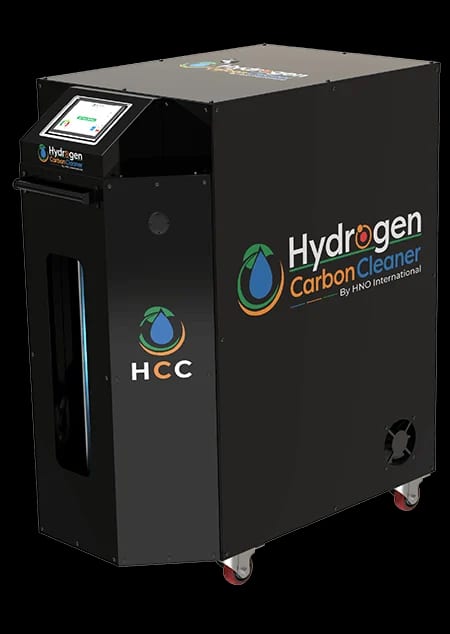
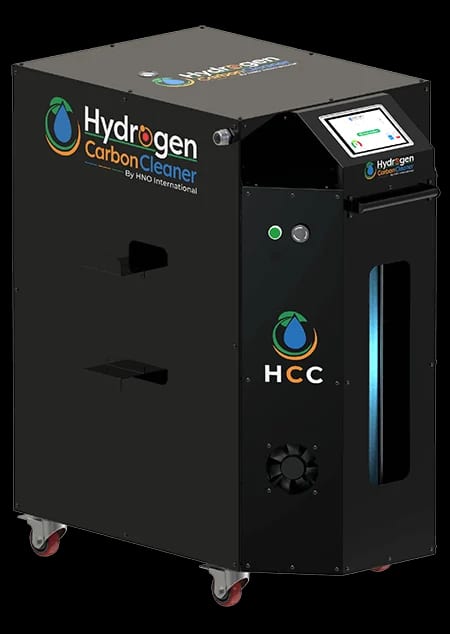
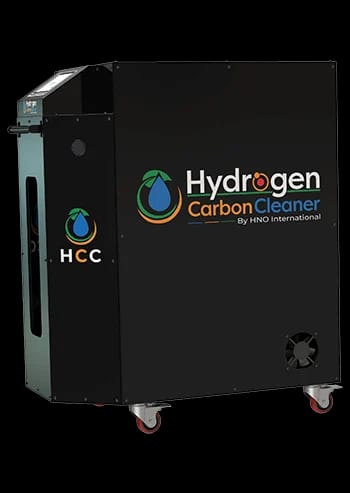
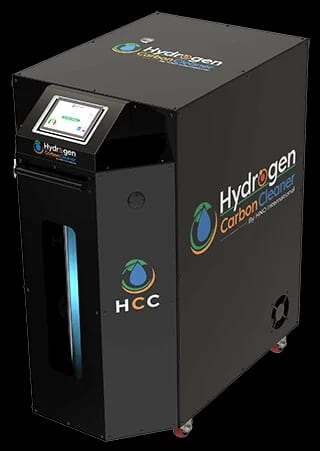
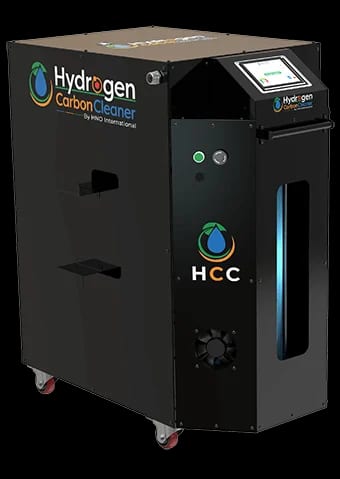
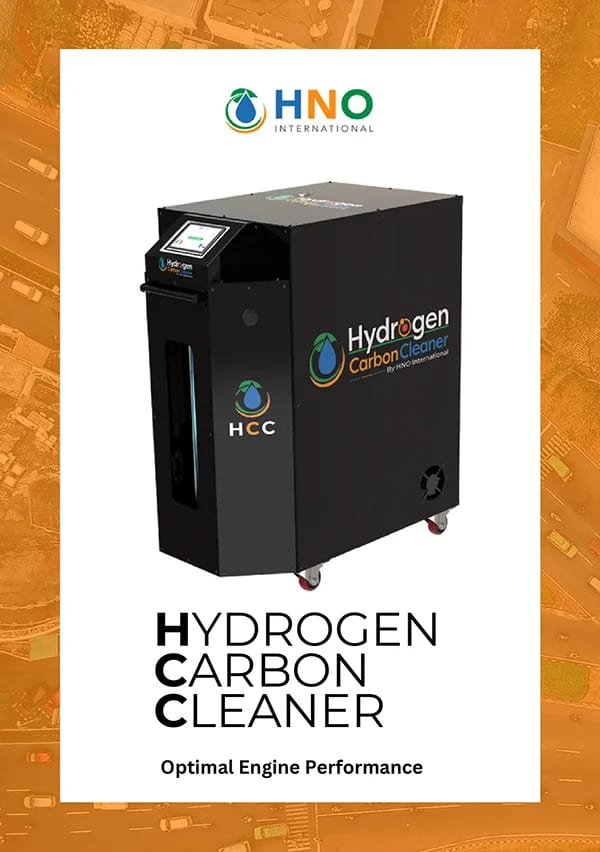
Our Hydrogen Carbon Cleaner is a compact system designed to remove carbon deposits from combustion engines, enhancing engine performance and reducing maintenance costs.
How does it work? The HCC generates oxy-hydrogen gas which is introduced into the internal combustion engine via the air intake, effectively removing carbon deposits. It’s a breakthrough for diesel, gasoline and natural gas engines, streamlining maintenance without requiring engine dismantling.

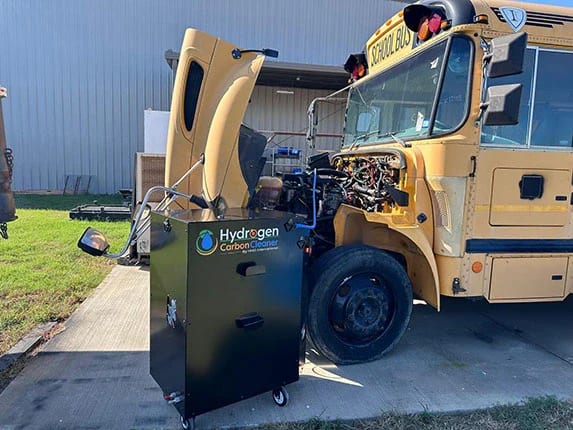
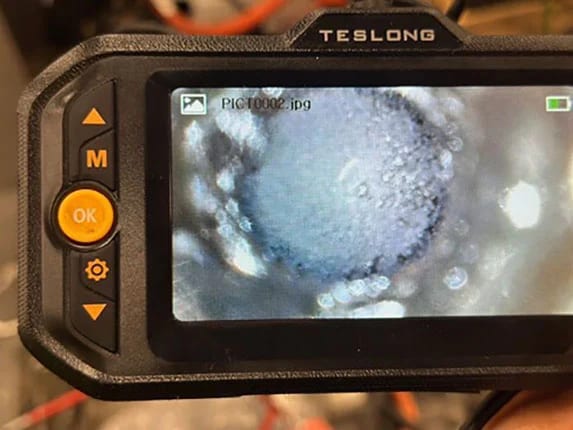
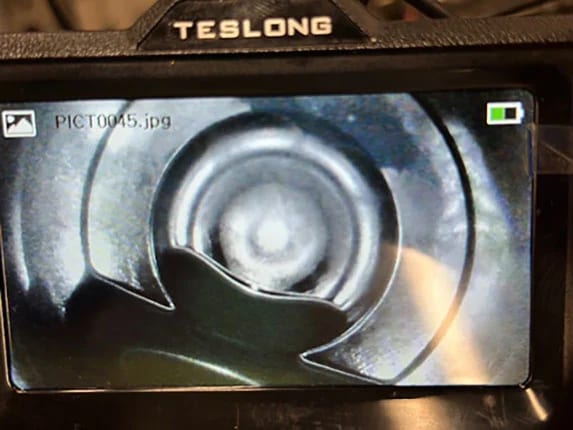
Run with technology alliance partner Dumore Enterprises over two weeks, measuring key engine parameters at idle RPM before and after treatment with the Hydrogen Carbon Cleaner. Readings captured with Autel diagnostic software.
4-Cylinder Diesel Turbocharged · Estimated fuel savings 5–10%
| Parameter | Before test | After 2 weeks | Change | What it indicates |
|---|---|---|---|---|
| Calculated Engine Load (%) | 16.4 | 13.7 | ↓ 16.5% | Reduced engine strain and improved mechanical efficiency |
| Intake Air Temp — IAT (°C) | 41 | 41 | No change | Consistent thermal conditions |
| Injection Volume (mm³) | 7.3 | 7.38 | ↑ 1.1% | Improvement in combustion efficiency |
| MAP — Manifold Pressure (kPa) | 72 | 75 | ↑ 4.2% | Better turbo and intake system performance |
| MAF — Mass Air Flow (g/s) | 15.78 | 14.54 | ↓ 7.9% | Cleaner burn requiring less air volume |
| Injection Volume Feedback at Idle (mm³/st) | 3.4 | 1.5 | ↓ 55.9% | Substantial gain in idle efficiency, cleaner internals |
4-Cylinder Diesel Turbocharged · Estimated fuel savings 5–8%
| Parameter | Before test | After 2 weeks | Change | What it indicates |
|---|---|---|---|---|
| Calculated Engine Load (%) | 26 | 21 | ↓ 19.2% | Marked reduction in engine workload |
| Intake Air Temp — IAT (°C) | 57 | 49 | ↓ 14.0% | Cooler intake air supports better combustion |
| Injection Volume (mm³) | 2.75 | 3.14 | ↑ 14.2% | Cleaner injection and optimized fuel delivery |
| MAP — Manifold Pressure (kPa) | 23 | 24 | ↑ 4.3% | Improved air induction |
| Air Mass per Cylinder (mg/hub) | 318 | 400 | ↑ 25.8% | Enhanced oxygen delivery for a better fuel burn |
| Injection Volume Feedback at Idle (mm³/st) | 5.1 | 6.0 | ↑ 17.6% | ECU may be enriching the mixture for cleaner operation; this stabilises over time |
These tests demonstrate that hydrogen injection into diesel turbocharged engines at idle RPM significantly improves engine components, reduces workload and enhances idle efficiency — translating into measurable fuel savings and performance gains. The 2013 Hilux showed particularly strong idle and load reductions, while the 2017 Sportage benefited from a major increase in air mass and combustion improvement.
These results validate the commercial value of cleaning engines with hydrogen, presenting a pioneer opportunity for fleet operators, dealerships and engine care professionals seeking to reduce operational costs and improve engine performance.
Source: “Hydrogen Injection into Diesel Turbocharged Engine at Idle RPM — Test Summary Report”, Dumore Enterprises. Figures come from a two-week field test on two vehicles; results vary by engine, duty cycle and idle time.
The complete two-page report from Dumore Enterprises — objective, method, both test vehicles and every measured parameter.
Download PDF PDF · 2 pages · opens in a new tab

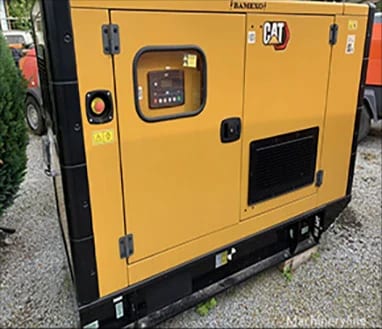




Specifications, applications and service information for the HCC.
Download PDF PDF · opens in a new tabCleaner combustion reduces harmful exhaust output.
Carbon deposits are removed without dismantling the engine.
A fast service turnaround keeps vehicles working.
Cleaner internals mean fewer repairs and longer service intervals.
Tell us about your fleet or workshop and our team will be in touch about placing an HCC.